Introduction
In today’s competitive digital marketplace, businesses need effective strategies to reach their target audience quickly. While organic marketing methods such as Search Engine Optimization (SEO) and content marketing help generate long-term growth, they often take time to produce results. This is where Paid Advertisement becomes an essential part of a successful digital marketing strategy.
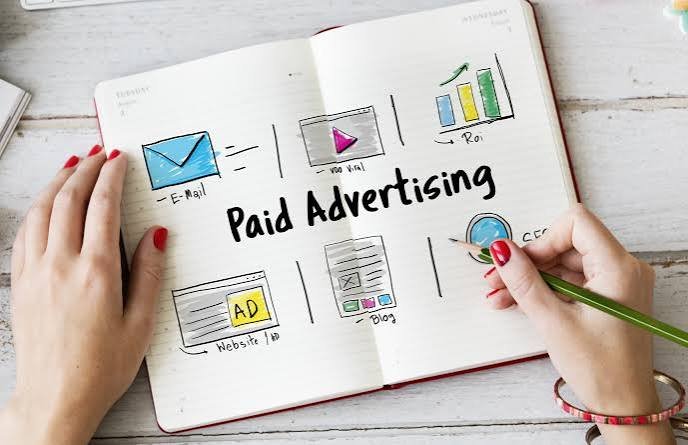
Paid advertising is a marketing method in which businesses pay to display their advertisements on search engines, social media platforms, websites, mobile apps, and video platforms. These advertisements help companies reach potential customers based on demographics, interests, behavior, location, and online activity.
Whether you are launching a new product, increasing website traffic, generating leads, or boosting sales, paid advertising allows you to connect with the right audience at the right time. With proper planning and optimization, paid advertising can deliver measurable results and a strong return on investment (ROI).
In this article, you will learn what paid advertising is, how it works, its benefits, different types, key metrics, best practices, and common mistakes to avoid.
What is Paid Advertisement?
Paid advertisement, also known as paid advertising or paid media, is a digital marketing strategy where businesses pay advertising platforms to display promotional content to a specific audience. Unlike organic marketing, which relies on unpaid traffic, paid advertising provides immediate visibility and faster results.
Advertisers typically pay based on different pricing models such as Pay-Per-Click (PPC), Cost Per Mille (CPM), Cost Per Acquisition (CPA), or Cost Per View (CPV). Advanced targeting options ensure that advertisements are shown to users who are most likely to be interested in the product or service.
For example, if a user searches for “best running shoes,” a sportswear company can display a sponsored advertisement at the top of the search results. Similarly, an online clothing store can show personalized ads to users browsing social media platforms.
Why is Paid Advertising Important?
Paid advertising plays a crucial role in modern marketing because it helps businesses reach potential customers quickly and efficiently.
Some key reasons why paid advertising is important include:
- Generates immediate website traffic
- Increases brand awareness
- Reaches highly targeted audiences
- Boosts product and service sales
- Supports new product launches
- Generates high-quality leads
- Improves business visibility
- Provides measurable marketing results
- Helps businesses compete with larger brands
- Increases return on marketing investment
Unlike traditional advertising, digital paid advertising allows businesses to track every click, impression, and conversion, making campaigns more effective and data-driven.
Types of Paid Advertisement
Businesses can choose from several types of paid advertising depending on their marketing goals.
1. Search Engine Advertising
Search engine advertising displays sponsored ads on search engine results pages when users search for specific keywords. This method is highly effective because it targets users who already have purchase intent.
2. Social Media Advertising
Platforms such as Facebook, Instagram, LinkedIn, TikTok, Pinterest, and X allow businesses to promote products through images, videos, carousels, stories, and sponsored posts.
Social media advertising offers detailed audience targeting based on age, interests, behavior, job title, education, and location.
3. Display Advertising
Display ads appear on websites, blogs, news portals, and mobile applications using banners, images, or interactive graphics. These advertisements help increase brand awareness and retarget previous website visitors.
4. Video Advertising
Video advertisements appear before, during, or after online videos and are highly engaging. Businesses use video ads to demonstrate products, tell brand stories, and increase customer engagement.
5. Shopping Ads
Shopping advertisements display product images, prices, ratings, and store information directly within search results, making them ideal for eCommerce businesses.
6. Native Advertising
Native ads blend naturally into website content, making them less intrusive than traditional display advertisements. They often appear as sponsored articles or recommended content.
Benefits of Paid Advertisement
Paid advertising offers several advantages for businesses of all sizes.
Immediate Results
Unlike SEO, which can take months to show results, paid advertising begins driving traffic as soon as a campaign is launched.
Precise Audience Targeting
Businesses can target audiences based on demographics, interests, online behavior, device type, language, location, and purchasing habits.
Higher Brand Visibility
Advertisements appear prominently on search engines and social media platforms, increasing brand recognition and customer awareness.
Better Lead Generation
Paid campaigns can drive highly qualified leads by targeting users who are actively searching for products or services.
Measurable Performance
Digital advertising platforms provide detailed analytics, allowing marketers to measure clicks, impressions, conversions, revenue, and ROI.
Budget Flexibility
Businesses can set daily or monthly budgets, making paid advertising suitable for startups, small businesses, and large enterprises alike.
Key Metrics in Paid Advertising
Understanding advertising metrics is essential for evaluating campaign performance.
Important metrics include:
- Impressions: The number of times an advertisement is displayed.
- Clicks: The number of users who click on the advertisement.
- Click-Through Rate (CTR): The percentage of users who click after seeing the ad.
- Cost Per Click (CPC): The amount paid for each click.
- Conversion Rate: The percentage of visitors who complete a desired action.
- Cost Per Acquisition (CPA): The cost of acquiring one customer.
- Return on Ad Spend (ROAS): The revenue generated for every dollar spent on advertising.
- Quality Score: A rating used by search engines to measure the relevance and quality of ads and landing pages.
Monitoring these metrics helps businesses optimize campaigns for better performance.
Creating an Effective Paid Advertising Campaign
A successful campaign requires careful planning and continuous optimization.
1. Set Clear Objectives
Identify whether your goal is to increase traffic, generate leads, improve sales, or build brand awareness.
2. Define Your Target Audience
Research your audience’s demographics, interests, behaviors, and purchasing habits to improve targeting accuracy.
3. Select the Right Platform
Choose advertising platforms that align with your audience and business objectives.
4. Create High-Quality Advertisements
Use compelling headlines, persuasive copy, attractive visuals, and strong calls to action (CTAs) to encourage users to engage.
5. Optimize Landing Pages
Ensure that your landing page is fast, mobile-friendly, relevant to the advertisement, and designed to convert visitors into customers.
6. Test Different Ad Variations
A/B testing allows businesses to compare headlines, images, videos, CTAs, and targeting options to determine which versions perform best.
7. Analyze and Optimize
Regularly review campaign performance and make adjustments based on analytics to improve ROI and reduce advertising costs.
Common Paid Advertising Mistakes
Many advertisers waste their budgets because they overlook important details.
Common mistakes include:
- Targeting the wrong audience
- Using weak or unclear ad copy
- Ignoring mobile optimization
- Sending users to poor landing pages
- Not tracking conversions
- Setting unrealistic budgets
- Running campaigns without testing
- Ignoring performance analytics
- Using low-quality images or videos
- Failing to optimize campaigns regularly
Avoiding these mistakes can significantly improve advertising performance and profitability.
Best Practices for Paid Advertising
To achieve better results, follow these proven best practices:
- Research your audience before launching campaigns.
- Use relevant keywords and compelling headlines.
- Design visually appealing advertisements.
- Include a clear and persuasive call to action.
- Optimize ads for both desktop and mobile users.
- Continuously monitor campaign performance.
- Test different creatives and audience segments.
- Retarget visitors who did not convert.
- Focus on improving landing page experience.
- Allocate budgets based on campaign performance.
Conclusion
Paid advertisement is one of the fastest and most effective ways to reach potential customers, increase brand awareness, generate leads, and drive sales. By combining advanced audience targeting, compelling ad creatives, and continuous optimization, businesses can maximize their return on investment and achieve measurable marketing success.
Although paid advertising requires financial investment, its ability to deliver immediate results and detailed performance insights makes it an essential component of modern digital marketing. Businesses that carefully plan, test, analyze, and optimize their campaigns will gain a competitive advantage and achieve sustainable growth in today’s digital landscape.